English
  French
  Chinese
  Spanish

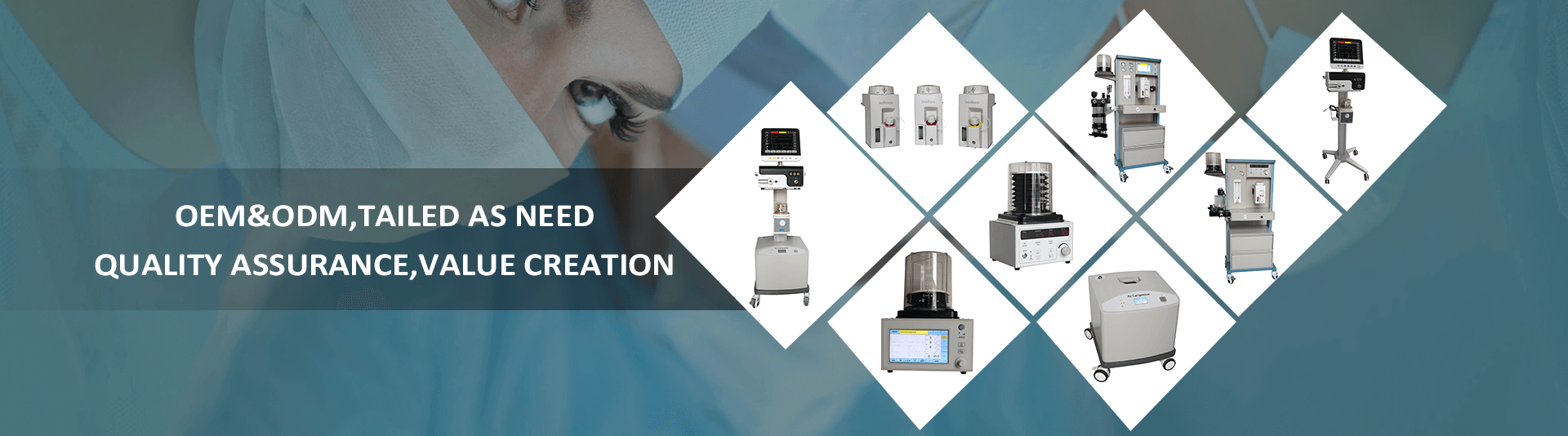
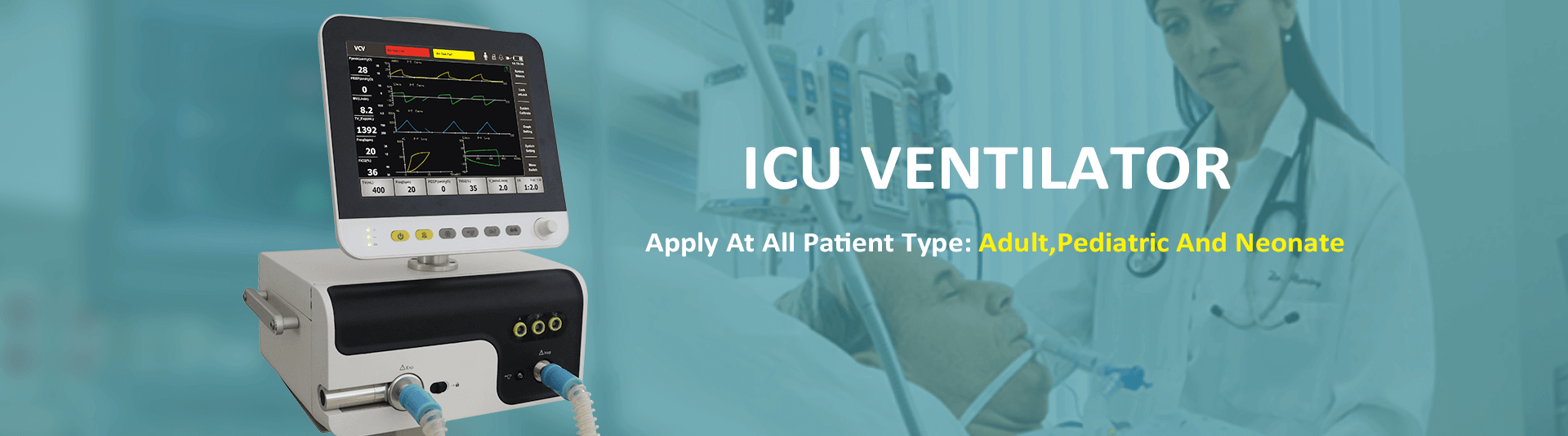
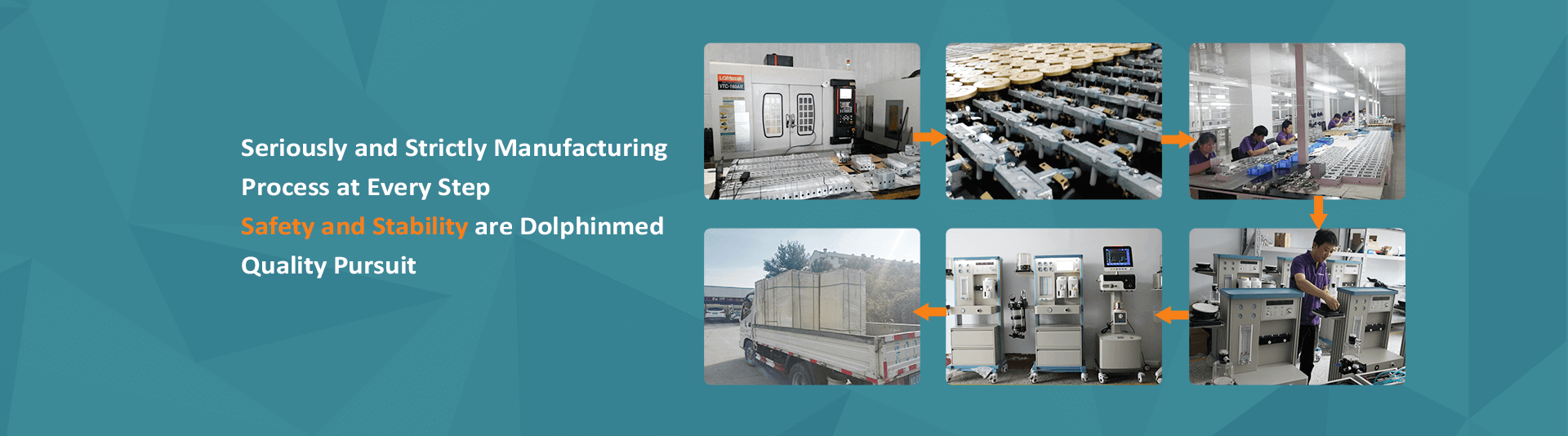

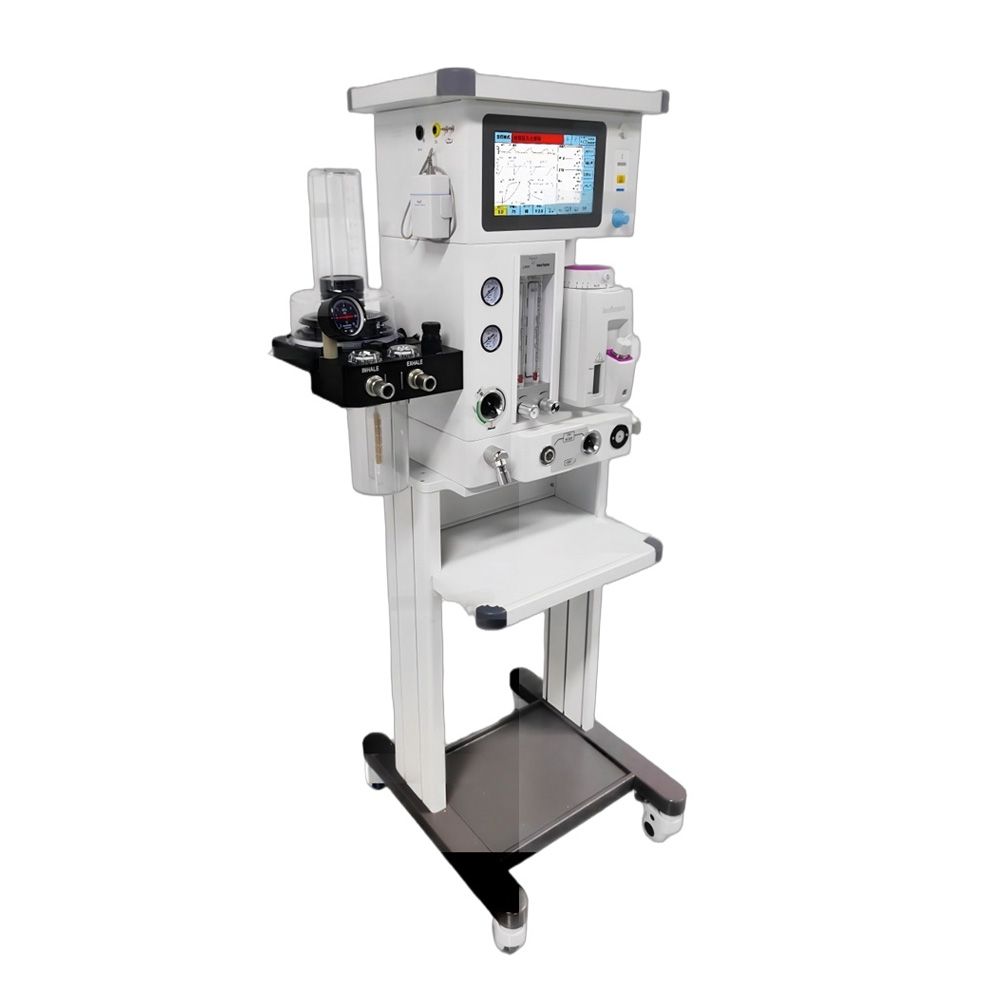
Anesthesia Workstations and Functional Anatomy Tables
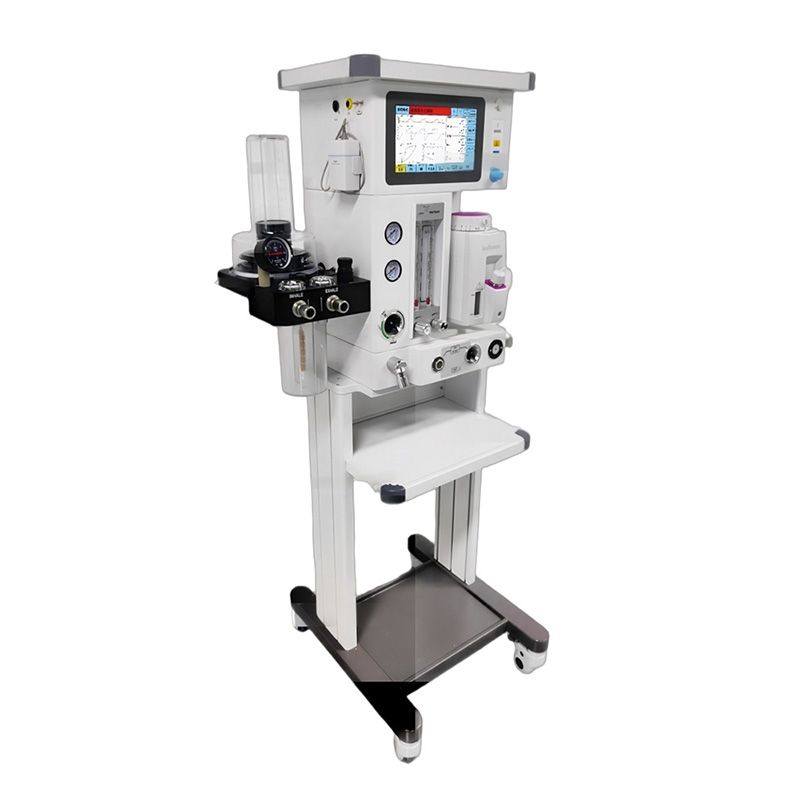
In the field of modern medicine, anesthesia workstations and functional anatomy tables, as crucial equipment
in operating rooms and medical education, not only bear the responsibility of ensuring patient safety and comfort
but also facilitate in-depth exploration and transmission of medical knowledge.
I. Functional Analysis of Anesthesia Workstations
High Integration and Intelligence
The anesthesia workstation is the culmination of modern anesthesia technology. It perfectly integrates traditional
anesthesia machines with modern microelectronics and computer technologies, forming a highly integrated and
intelligent anesthesia platform. This platform combines multiple functional modules such as gas delivery systems,
vaporizers, breathing circuits, and anesthesia ventilators. It is also equipped with electronic control, monitoring and
alarm systems, and clinical information management systems, providing anesthesiologists with unprecedented
operational convenience and safety.
Precise Gas Delivery and Vaporizer Control
The gas delivery system of the anesthesia workstation uses precise pressure-reducing and flow control devices to
ensure that oxygen, air, and volatile anesthetic agents are accurately delivered to the patient at preset concentrations
and flow rates. The vaporizer, as a key component, features excellent automatic compensation functions for temperature,
flow, and pressure, ensuring the precision and stability of anesthetic agent output. This precise control not only enhances
anesthetic effectiveness but also significantly reduces the risk of complications due to fluctuations in drug concentration.
Advanced Respiratory Management and Monitoring
The integrated breathing circuit of the anesthesia workstation incorporates components such as pressure and flow
sensors and valves, offering excellent sealing and compliance. It is particularly suitable for low-flow and minimal-flow
anesthesia. The heating device within the breathing circuit can optimize, warm, and humidify the inhaled gases, improving
patient comfort. Furthermore, the anesthesia workstation is equipped with a comprehensive monitoring and alarm system
that can track key parameters such as airway pressure, tidal volume, and respiratory frequency in real-time and issue timely
alerts in case of abnormalities, ensuring patient safety.
Diverse Ventilation Modes and Personalized Settings
To meet the needs of different patients, most anesthesia workstations employ electrically driven and electronically
controlled ventilators, providing various ventilation modes including IPPV, PCV, SIMV, and manual/spontaneous modes.
These modes can be flexibly switched and adjusted according to the patient's specific condition to achieve personalized
respiratory management. Simultaneously, the anesthesia workstation features automatic leak and compliance compensation
functions, which can limit excessive airway pressure and prevent barotrauma.
II. Integrated Application of Anesthesia Workstations and Functional Anatomy Tables
Collaborative Work Enhances Surgical Efficiency and Safety
In the operating room, anesthesia workstations and functional anatomy tables often work collaboratively. The anesthesia
workstation ensures the patient remains in a stable anesthetic state through precise gas delivery and respiratory management,
while the functional anatomy table provides surgeons with a clear, intuitive surgical field and a convenient operating platform.
These two complement each other, collectively enhancing surgical efficiency and patient safety.
Promoting the Transmission and Innovation of Medical Knowledge
The integrated application of anesthesia workstations and functional anatomy tables also promotes the transmission and
innovation of medical knowledge. In medical education, by combining practical operations on anatomy tables with theoretical
learning on anesthesia workstations, medical students can acquire medical knowledge and skills more comprehensively.
Concurrently, this integrated application provides medical researchers with a broader space for exploration and an innovative
platform, driving continuous progress and development in the medical field.
 Previous:
None
Previous:
None